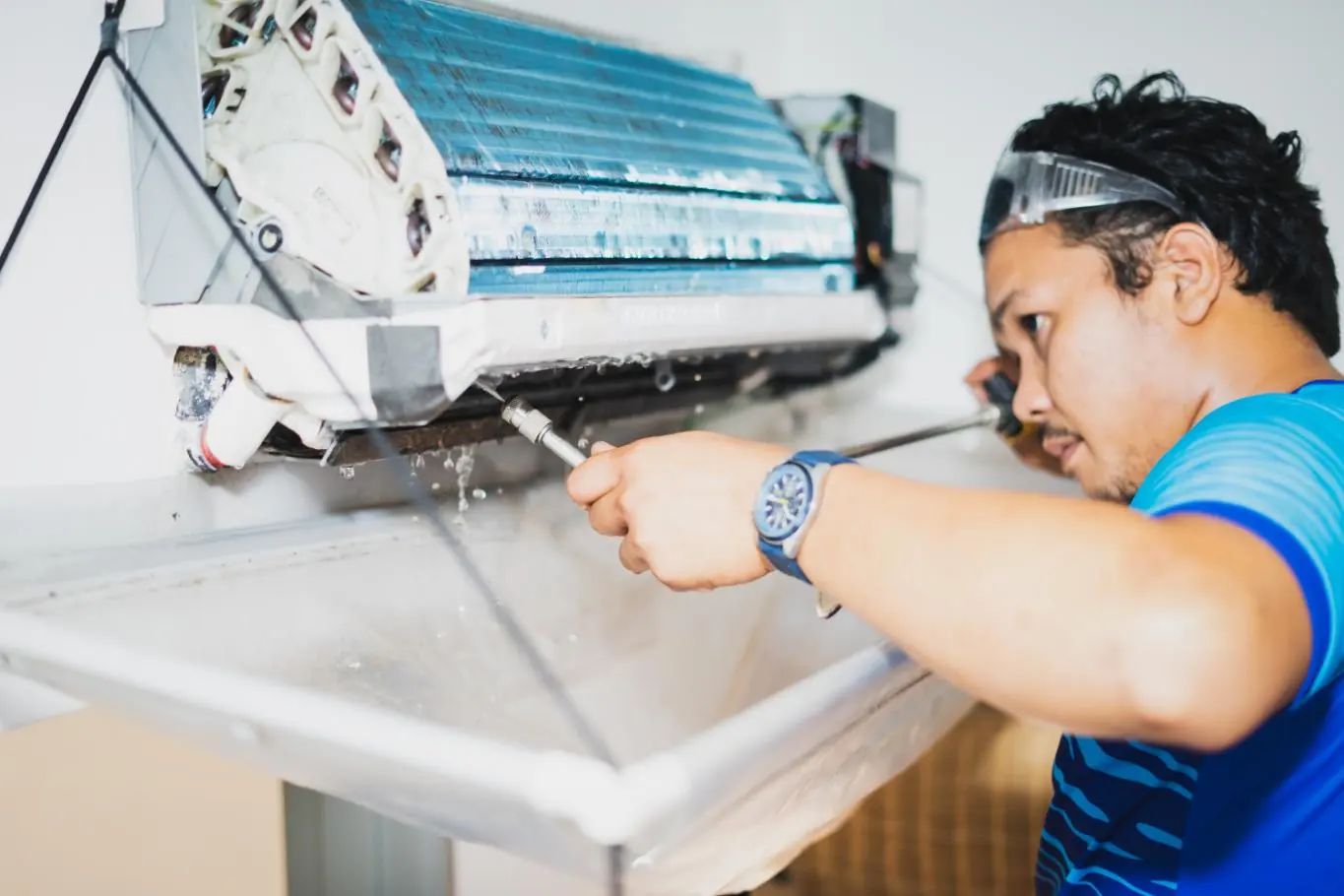
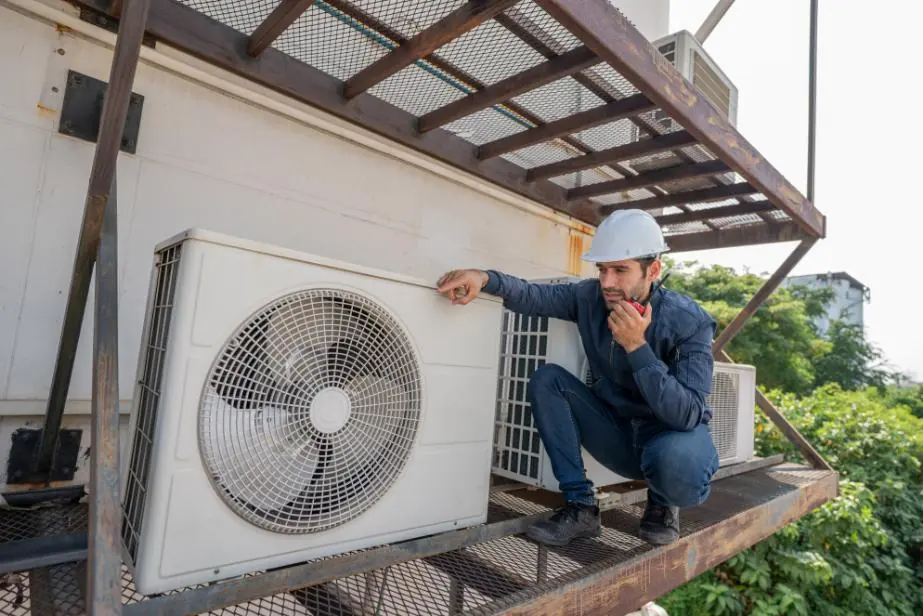
Indoor air quality involves more than the filter. Cooking, cleaning products, outdoor particles, limited ventilation, restricted airflow, and excess moisture affect home conditions. During New Orleans’ humid cooling season, an HVAC assessment can identify whether filtration, ventilation, moisture management, or an air-treatment device deserves attention.
Our indoor air quality service is centered on your home’s conditions and equipment—not a one-size-fits-all add-on. We explain what a proposed solution can address, what it cannot, and how to care for it over time.
Filtration That Fits Your HVAC System
A clean, well-fitted filter catches particles as air passes through the HVAC system; it does not continuously clean rooms when the system is off or remove every pollutant. Higher-efficiency filters can add airflow resistance, so the right choice depends on the equipment and filter slot. We can check fit and options before an upgrade. Reducing smoke or strong indoor emissions remains important.
Ventilation and Airflow
Many conventional systems recirculate indoor air rather than drawing outdoor air. Kitchen and bathroom exhaust fans that discharge outdoors can remove pollutants where they are produced; some homes may suit planned mechanical ventilation. In New Orleans, outdoor air is often hot and humid, so ventilation choices should account for moisture. Blocked returns and registers also affect airflow; any change should suit the equipment and home.
Humidity and Moisture Sources
Persistent dampness, condensation, or musty odors deserve attention to their source. Leaks, wet materials, and poor drainage can support mold; an air cleaner cannot correct a water problem. Humid weather can contribute, but indoor moisture depends on the building and HVAC operation too. We can discuss system-related concerns. Active leaks or extensive mold may need a moisture or cleanup specialist.
Air-Treatment Device Installation
When a standard filter is not the right fit, options may include a compatible in-duct or room air cleaner. Selection and installation should consider purpose, airflow, placement, and replacement needs. Particle filters do not necessarily remove gases or odors, and one device cannot address every contaminant. We explain what a device can and cannot do; it does not replace source control, ventilation, or moisture correction.
Repair, Service, and Owner Maintenance
If an air-treatment component is noisy, shows a warning, or seems ineffective, service can check it and its connection to the HVAC system. Maintenance may inspect replaceable media, fit, and airflow and follow product instructions. At home, check the HVAC filter regularly; dust, pets, and use affect loading. Keep vents clear, use exhaust fans, and address water intrusion. Do not open electrical or refrigerant equipment.