When your heat pump runs but the house stays cool, the cause may be simple or may need equipment testing. New Orleans winters are generally mild, yet cool, damp weather can still affect an outdoor coil. A focused diagnosis distinguishes normal operation from a fault before a repair is selected.
Reversing valve and control diagnosis
The reversing valve changes refrigerant direction so one system can heat or cool. If it does not shift on a heat call, the system may continue cooling or fail to warm the home. Thermostat setup, a sensor, wiring, or another control can produce similar symptoms. Testing distinguishes these possibilities.
Defrost behavior and outdoor-unit operation
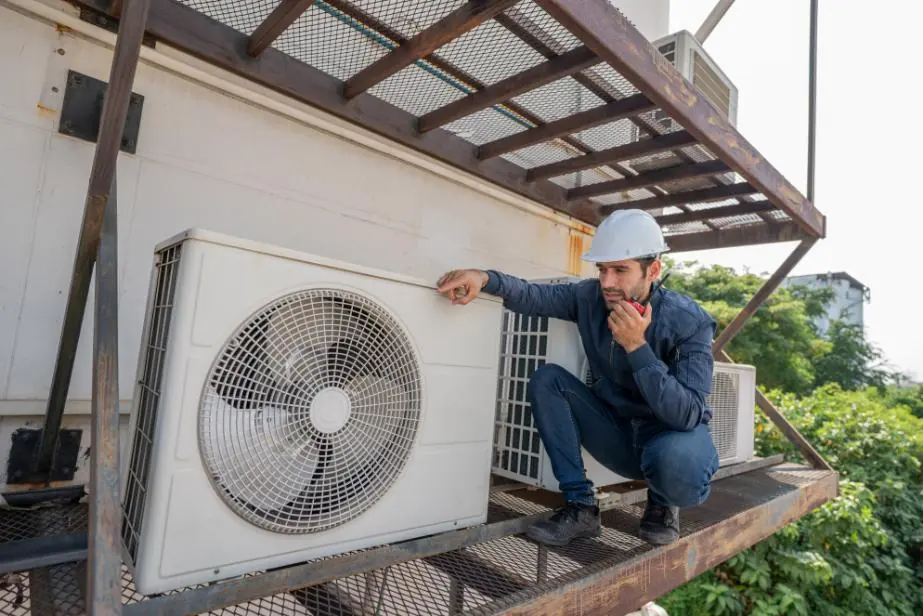
Frost can collect on the outdoor coil in cool, moist weather. During defrost, the system briefly warms the coil; the fan may pause and steam or dripping water can occur. That differs from a unit that remains heavily iced, repeatedly fails to clear frost, or does not run as expected. Do not chip ice or reach into the unit. Arrange service if ice persists or comfort drops.
Heat pump installation and system setup
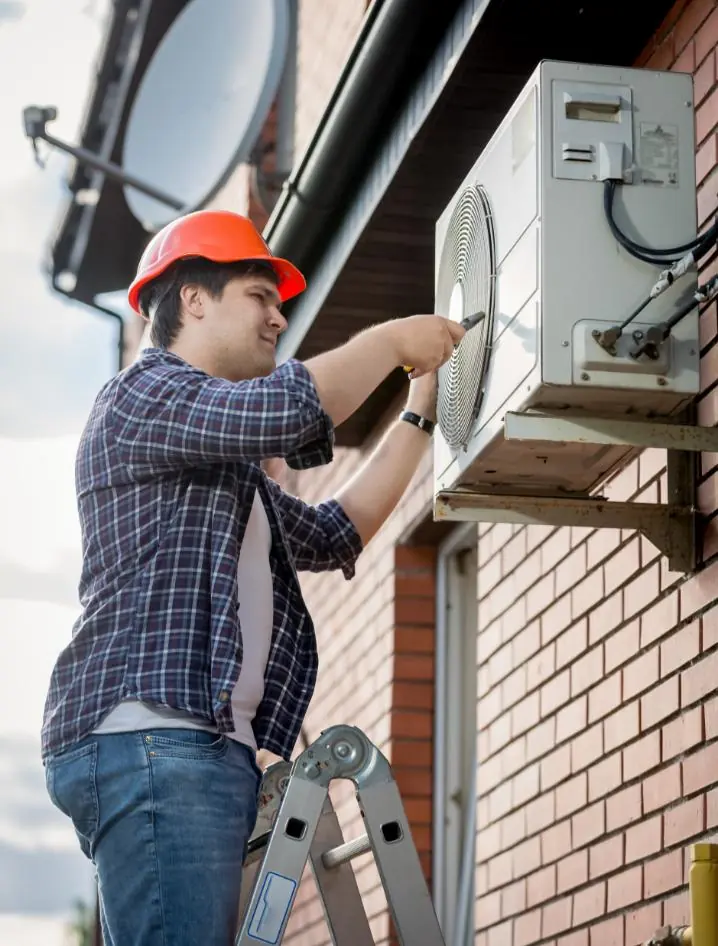
Installing a heat pump includes matching equipment to the home, connecting its components, and configuring the thermostat and controls. Correct setup matters because some models operate the reversing valve differently in heating and cooling. Ductwork, airflow, and heating needs inform selection. At start-up, the system should change modes and operate as intended; the thermostat display alone does not verify its performance.
Repair and service for heating trouble
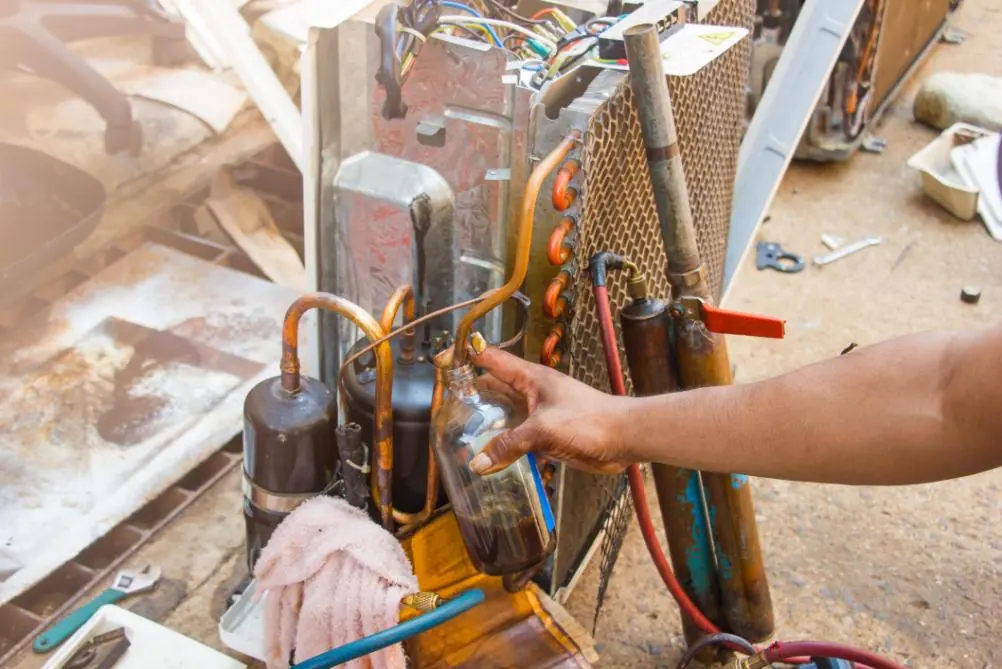
A service visit checks thermostat demand, indoor airflow, outdoor operation, and control response. A dirty filter may restrict airflow, while a stuck valve, sensor, or electrical fault can require further testing. Refrigerant or electrical repairs belong with a trained service professional. Before work proceeds, ask what the checks establish and what remains uncertain so you understand the proposed next step.
Maintenance and owner care
Keep the return grille and outdoor area clear, and clean or replace the filter as directed. Keep supply vents open. You can check thermostat mode and observe the outdoor unit, but do not remove panels, handle wiring or refrigerant lines, or chip ice. Seasonal service can check controls, connections, coils, drainage, and operation. Discuss unusual cycling before colder weather.