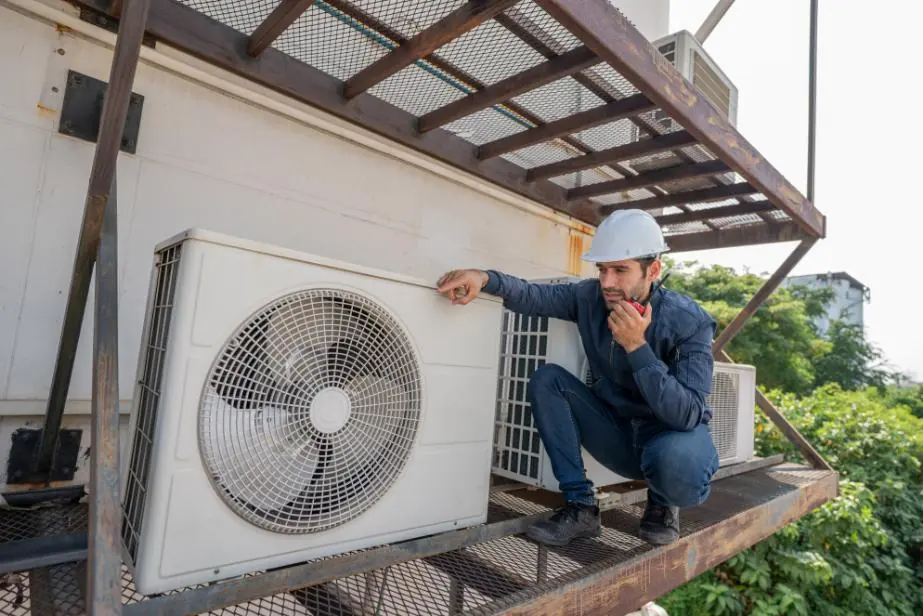
A new air conditioner is a whole-home project: equipment must match the cooling load, and ducts must move air where it is needed. In New Orleans, long, humid summers make thoughtful selection and setup especially important. Our installation process focuses on the home’s actual conditions and the way you use it, so you can make an informed decision about your cooling system.
Choose equipment for your home
Central air may use split or packaged equipment. The right arrangement depends on your existing setup, available space, heating plans, and comfort priorities. Options include an air conditioner or a heat pump that also provides heating. Compare capacity, features, fit, and efficiency.
Size for heat, humidity, and the building
Floor area alone cannot establish capacity. A load calculation considers windows, insulation, orientation, air leakage, and the home’s heat gain. New Orleans heat and humidity make system run time relevant to moisture removal as well as temperature. Oversized equipment can cycle off quickly; undersized equipment may struggle at peak demand. Evaluate the current home rather than copying the old unit’s size.
Check ductwork and airflow
Replacing equipment without examining air distribution can leave weak or uneven cooling unresolved. Ducts, registers, and return paths should be checked for leakage, insulation, restrictions, and compatibility. Older or remodeled homes may have changed layouts. A new condenser alone cannot compensate for an obstructed return or leaking duct, so discuss any duct work as part of the installation plan.
Installation and commissioning
After the system is selected, installation places compatible indoor and outdoor components, connects required equipment, and addresses specified drainage. Work follows manufacturer instructions and applicable requirements. Before completion, the system should start and operate as specified; airflow and refrigerant charge need to be checked by a technician. Thermostat use and filter instructions should be explained. Keep equipment accessible and avoid electrical or refrigerant work.
Repair and service when cooling changes
Not every comfort problem means a new system is needed. Warm rooms, weak airflow, or excess moisture can come from equipment, controls, drainage, or ducts. Service helps identify the cause and explain repair options, alongside replacement considerations if needed. Avoid lowering the thermostat repeatedly to compensate for weak performance. Arrange an assessment rather than opening equipment or attempting electrical or refrigerant work.
Care for the new system
Keep the correct filter clean or replace it as its instructions recommend. Leave supply registers and returns unobstructed, and keep airflow space around the outdoor unit clear without opening its cabinet. Notice changes in sound, cycling, drainage, or room comfort and ask about them. Seasonal professional maintenance can check operation, airflow, and accessible components. Follow the manufacturer’s guidance for basic care.