HVAC MAINTENANCE · NEW ORLEANS
In New Orleans, HVAC maintenance follows a different rhythm from places with long, severe winters. Air conditioning may carry the home through a long stretch of heat and humidity, while heating gets occasional use during cold fronts. That pattern makes it sensible to prepare cooling equipment before sustained warm weather and confirm heating readiness before the first cold spell.
Homeowners can handle basic observations and filter checks, but electrical, combustion, refrigerant, coil, and internal drain work belong with a professional. Follow the manual. Do not open panels, apply chemicals, or test components.
Start with the system manual and a simple record
Identify the system type. The manual specifies filters, homeowner access points, and outdoor clearance. If paperwork is missing, note visible model information without removing a cover, then ask a professional.
Keep a short maintenance record with dates for filter inspections, professional visits, water or noise observations, and any service recommendations. A record can help distinguish a new symptom from a recurring one and gives a technician useful context. Maple Wrench’s HVAC maintenance service page explains the type of seasonal professional care that complements safe homeowner observations.
Check the filter by condition, not a one-size calendar
Inspect the filter at the interval in the equipment instructions, or sooner if airflow weakens or it looks loaded. Replacement timing varies with filter design, use, household conditions, and manufacturer directions. ENERGY STAR suggests monthly inspection or cleaning/changing as applicable; EPA advises regular changes and more frequent attention when clogged. Use the recommended type and fit rather than guessing at a higher rating.
If the filter is designed for homeowner replacement, turn the system off only as directed by its manual, note the airflow arrow, and make sure the new filter sits correctly without gaps. Do not operate the equipment with a filter missing. If the filter is difficult to reach, damaged, wet, or does not fit, stop and ask for help. For persistent dust or airflow concerns, see indoor air quality guidance rather than trying to clean inside the air handler.
Keep the outdoor area clear without taking the unit apart
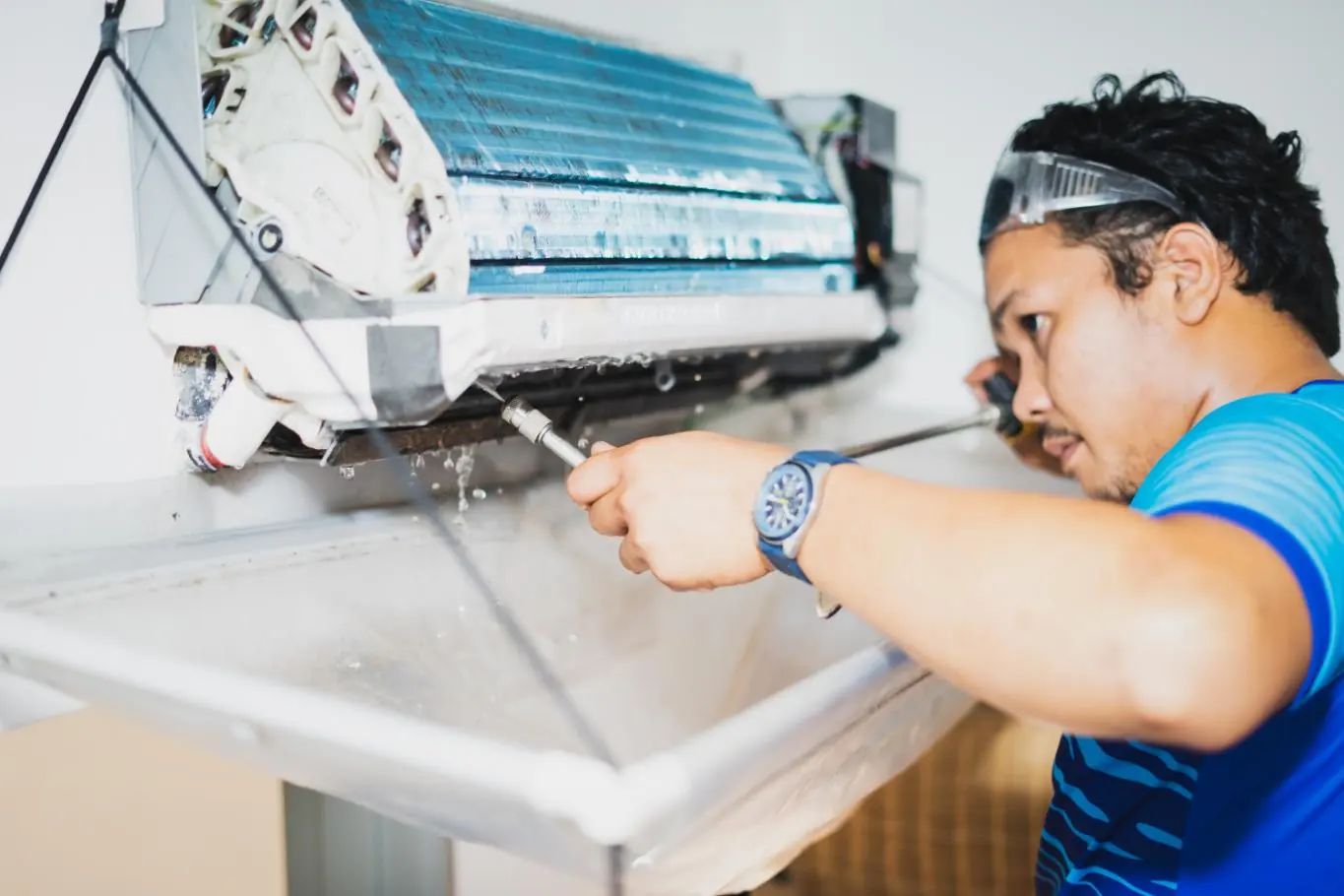
Leaves, grass, and stored items can crowd the outdoor equipment. From a safe distance, look for visible obstructions and keep plants, furniture, and yard debris away in accordance with the manufacturer’s specified clearance. There is no single clearance measurement that suits every model. Do not bend fins, reach through the grille, remove panels, spray the unit, or attempt coil cleaning; leave those tasks to service personnel.
After yard work or a storm, make a visual check for branches, leaning vegetation, or damage, but do not touch electrical components or move a heavy unit. If debris is lodged inside the cabinet or the equipment looks damaged, leave it off if the manual or visible condition indicates a safety concern and arrange professional attention. Residents in Lakeview and Uptown can use the same manual-first approach regardless of neighborhood or yard layout.
Notice condensate and moisture early
Cooling produces condensate. Watch for indoor water marks, pooling, damp flooring, or drainage changes the manual calls abnormal. Outlet water may be normal; follow the manufacturer’s instructions.
Never pour cleaners or chemicals into a drain, insert tools, or dismantle a pan or line. For an indoor leak, substantial pooling, or musty odor, follow any shutoff direction in the manual and contact a professional promptly. EPA identifies standing water or debris in a condensate pan as a sign needing attention. Note moisture timing and location.
Plan seasonal professional maintenance
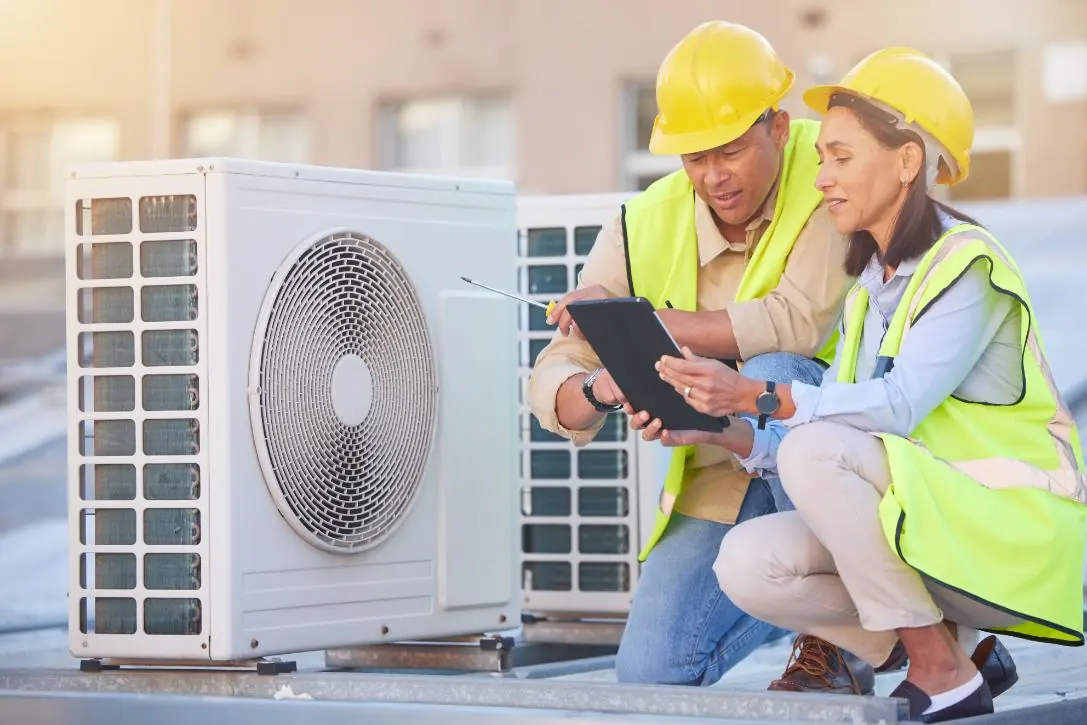
ENERGY STAR recommends annual pre-season checkups, with cooling checked in spring and heating checked in fall. A New Orleans household may want to book the cooling visit before extended hot weather and the heating visit before the season’s first likely cold spell. Scheduling ahead helps avoid waiting until the equipment is under peak demand. A professional can inspect controls, drainage, airflow, coils, and other components that are not homeowner tasks.
The service scope depends on equipment and findings. Keep the visit record and ask the technician to explain observed issues, any recommended follow-up, and what the manual calls for. Refrigerant checks, electrical measurements, coil access, combustion inspection, and internal cleaning are not DIY jobs. If cooling performance changes noticeably, use AC repair information; for heating concerns, see heating repair information and arrange professional evaluation.
Prepare for occasional heating use safely
Before a cold front, confirm that the thermostat is set to the mode and temperature you intend, and check that supply and return vents are not blocked by furniture or curtains. Learn which heating system the home uses and follow its startup directions. If it is a heat pump, remember that heating operation is part of the same system; a warm-weather cooling check alone does not confirm that every heating function is ready. Heat-pump households can find equipment-specific service information at heat pump repair.
Do not test burners, relight equipment, bypass controls, inspect a heat exchanger, or investigate a gas smell. If an appliance acts unusually or a carbon-monoxide alarm sounds, leave and follow emergency guidance. EPA recommends fuel-burning heating equipment be serviced before each heating season.
MORE CLARITY
Common questions
01How often should I check my HVAC filter in New Orleans?
Follow the system and filter instructions, and inspect at the recommended interval. Monthly checks are a useful reminder, not a universal replacement schedule; replace sooner if the filter is clogged or the manufacturer directs it.
02How much space should I leave around the outdoor unit?
Use the clearance specified in your equipment manual because requirements vary by model. Keep visible leaves, plants, and stored items from crowding the unit; do not remove its panels or clean internal parts.
03Is water near my air conditioner always a problem?
Not necessarily; condensate is produced during cooling, and outlet locations vary. Indoor leaks, persistent pooling, or substantial standing water need prompt professional attention. Avoid drain chemicals and tools.
04When should I schedule seasonal HVAC service?
ENERGY STAR advises an annual pre-season checkup, with cooling checked in spring and heating in fall. Arrange visits before heavy use or the first cold snap when possible.
05Can I test or clean the heating system myself?
Limit homeowner work to steps the manual explicitly permits, such as checking a thermostat or accessible filter. Do not open equipment, test burners, handle refrigerant, or use chemicals; have a professional assess heating operation.