Schedule around the season and the system
For central air, spring is a useful time to check operation before sustained summer demand. Arrange heating checks in fall, ahead of cooler weather. Heat pumps operate in both seasons, so consider their cooling and heating modes. Furnaces need checks suited to their fuel and design. Equipment instructions and service history can help set timing; changed operation merits attention sooner.
Filters, airflow, and owner care
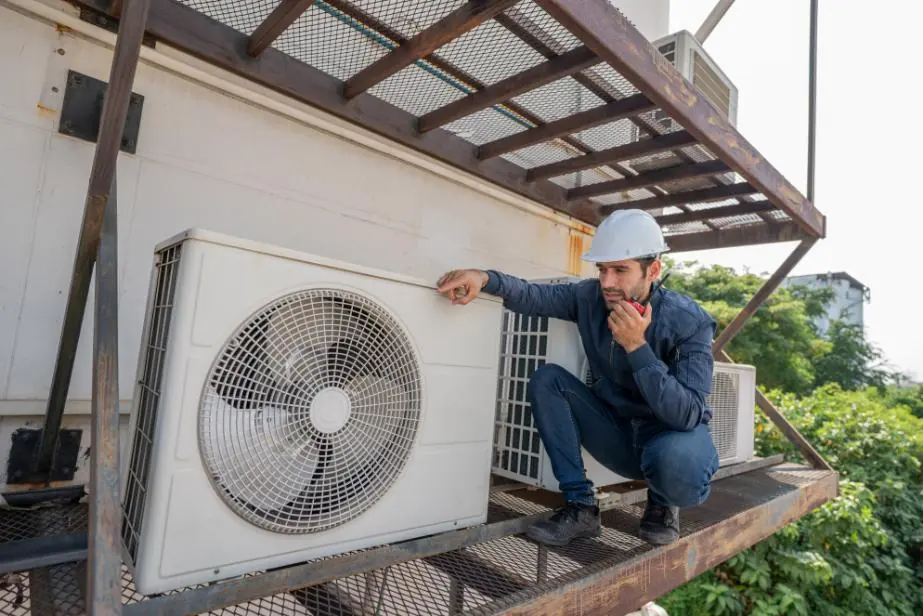
Check the filter monthly during heavy use and replace it when dirty, following the equipment maker’s direction and the filter’s fit. A clogged or overly restrictive filter can impede airflow; a higher rating is not automatically better. Keep registers and returns unobstructed, and remove loose debris around the outdoor unit. Note weak airflow, new noises, or visible water. Do not open panels or handle wiring or refrigerant.
Coils, condensate, and humidity
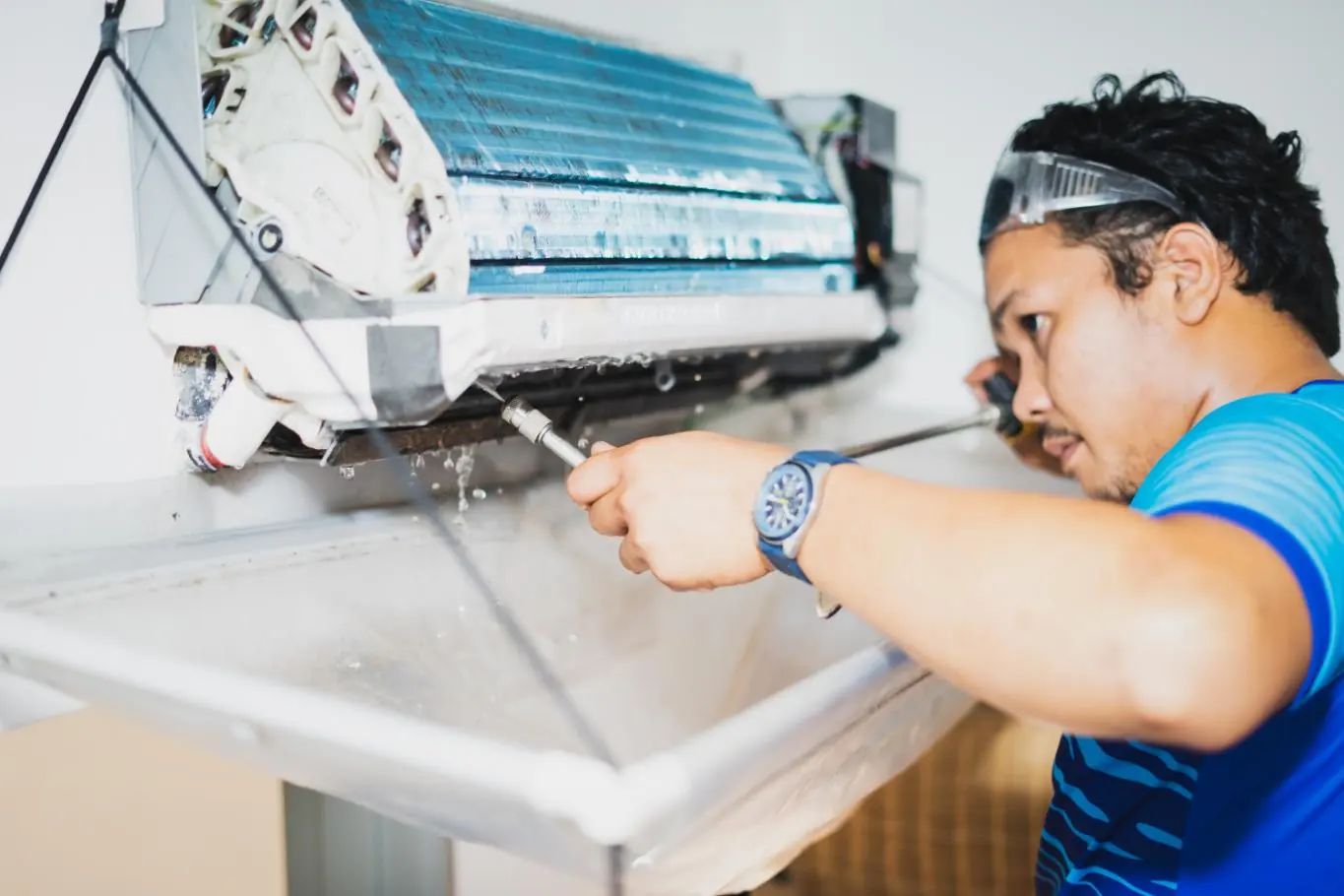
Indoor and outdoor coils transfer heat; the indoor coil also removes moisture during cooling. A technician can inspect them and clean them as needed. Condensate must drain away: ask for the drain pan, path, and related controls to be checked. Persistent water, a leak, or repeated shutdown deserves service. Watch for water stains or dampness, but do not dismantle the drain assembly.
Controls and electrical observations
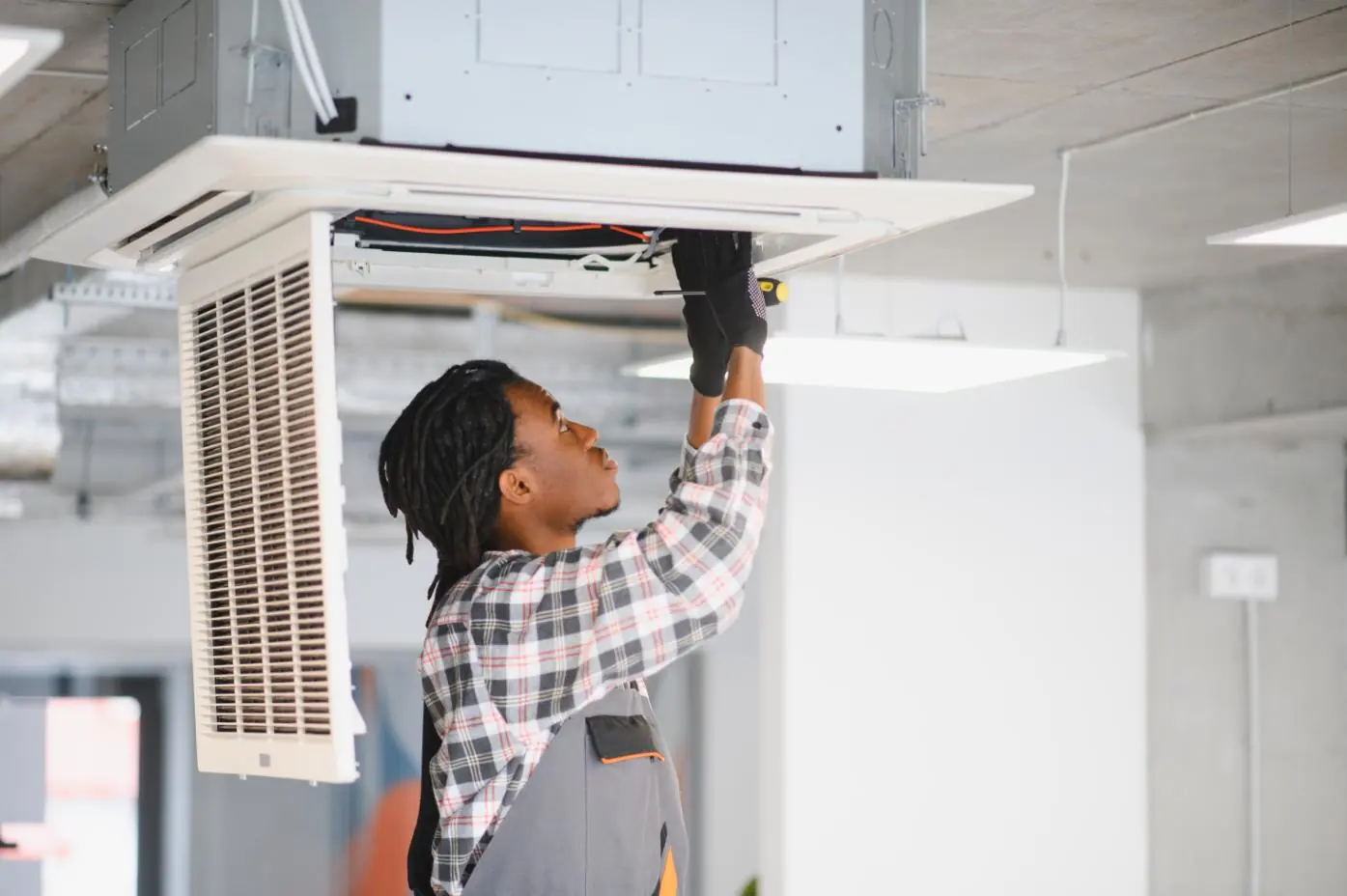
A maintenance visit can check thermostat operation and settings, observe the starting and stopping cycle, and assess accessible electrical connections and operating readings. These checks may identify unusual cycling or control response, but cannot predict every failure. Leave electrical testing and adjustments to a technician. If a breaker trips repeatedly, a burning smell appears, or equipment buzzes unexpectedly, stop troubleshooting and arrange service.
Installation, repair, and maintenance have different roles
Maintenance is scheduled inspection and upkeep, not repair or installation. If a check finds a fault, diagnosis and any repair are a separate next step. New equipment should account for the home, ducts, drainage, and heating and cooling needs. Maintenance still matters after installation. Keep model information and service notes available to help plan future seasonal visits.