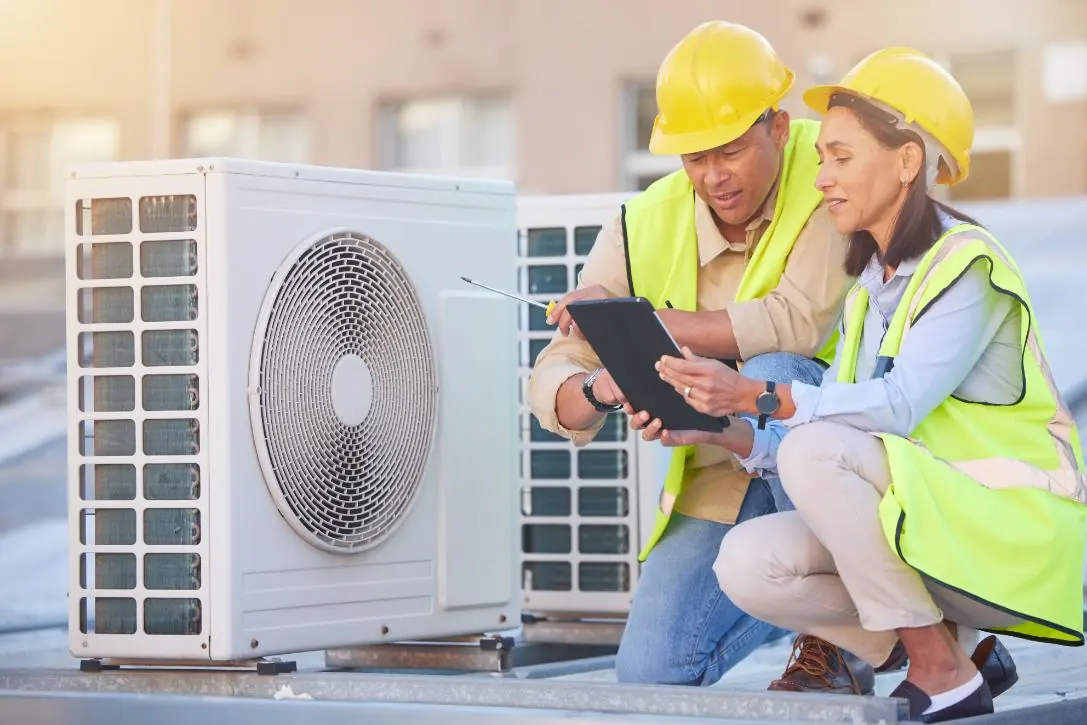
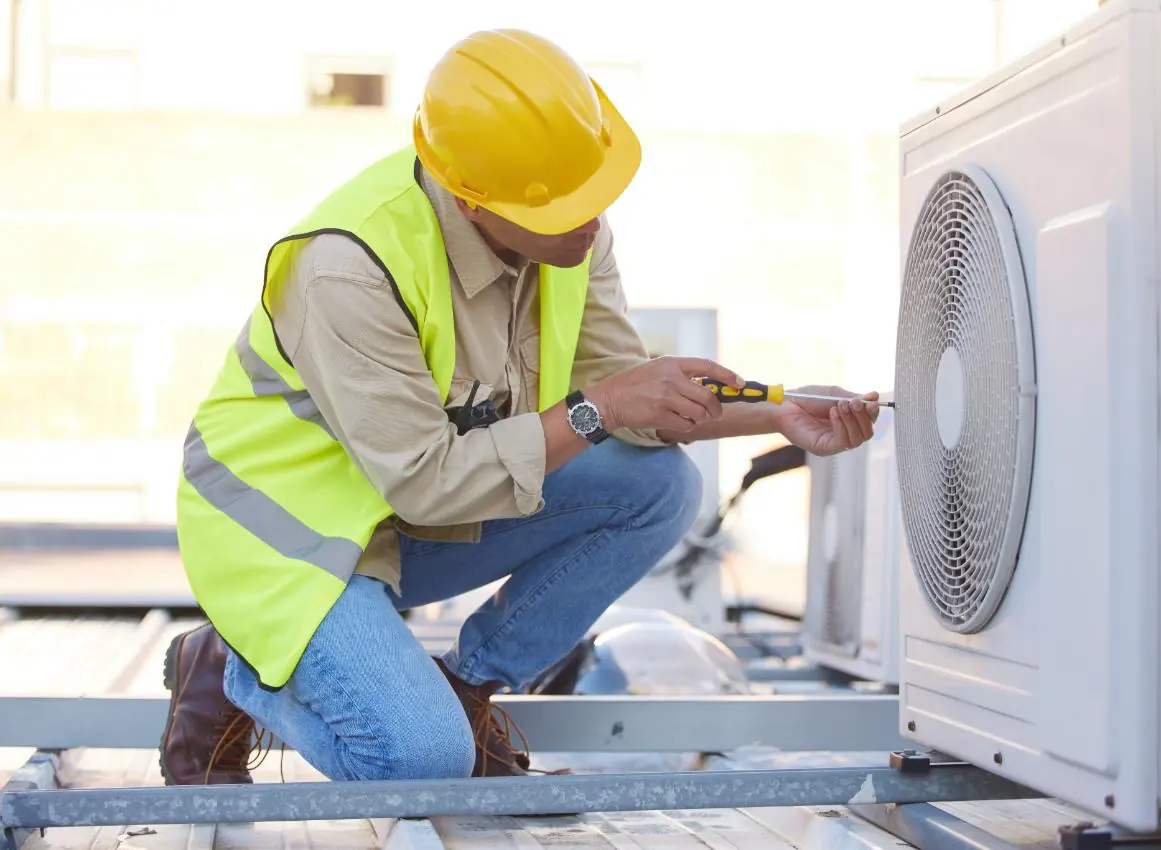
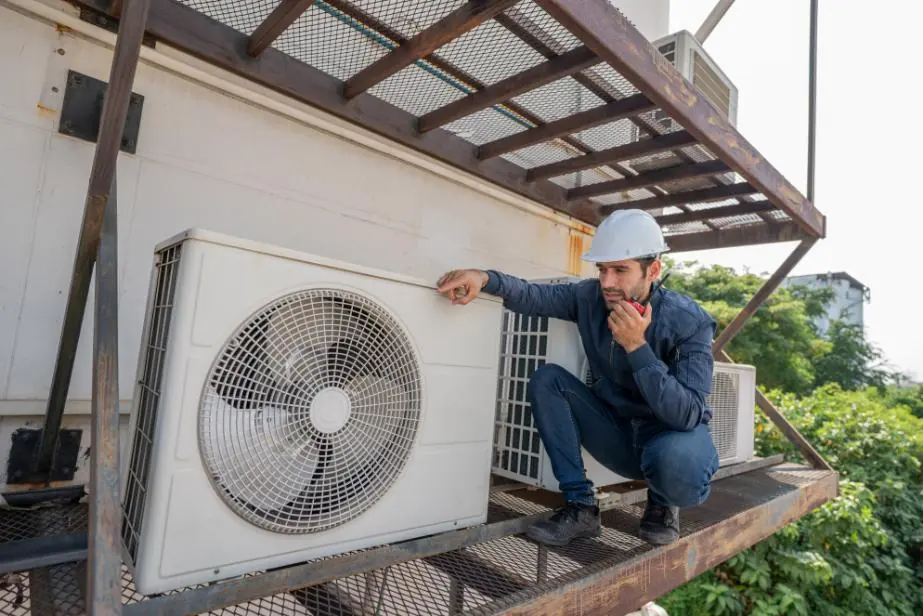
A heat pump provides both cooling and heating, making it a versatile option for homes across the New Orleans area. Good installation starts with the home itself: its cooling and heating loads, ductwork or room layout, and the way you use the space. We explain the system choices and what to expect before work begins.
Right-size for your home
A heat pump must meet cooling and heating demands. We consider insulation, windows, air leakage, room layout, and local conditions; a load calculation helps establish capacity. Oversizing may increase cycling, while undersizing can struggle in peak weather. The existing unit’s capacity offers context, not a substitute for evaluating the home and selected equipment.
Ducts and room-to-room airflow
Existing ducts may work with a new heat pump, but their condition and ability to move enough air matter. Restrictions, leakage, and poor returns can undermine comfort. If ducts are absent or unsuitable, ductless units may serve selected rooms or zones. The right arrangement depends on the home’s layout and which areas you want conditioned.
Thermostat and backup heat
A thermostat must match the system’s stages and auxiliary heat, and be configured for heating and cooling. Supplemental electric heat may assist when needed; some homes may suit dual fuel with an existing furnace. Backup is not automatic for every home. Capacity, design conditions, available heat, and operating goals shape the configuration.
Installation and system checks
Installation sets compatible indoor and outdoor equipment, makes required connections, checks airflow, and verifies heating and cooling sequences. If existing ducts or a furnace will be reused, assess how they fit the design. Placement and service access matter. At startup, explain basic operation and thermostat settings.
Heat pump repair and service
Ask for service if the system runs constantly, has weak airflow, makes an unfamiliar sound, or fails to change modes. Causes can include a dirty filter, blocked outdoor airflow, controls, or equipment faults. Note thermostat messages and affected rooms. Avoid opening electrical, refrigerant, or fuel components; a technician can test the system safely.
Seasonal maintenance and owner care
Check or clean the filter as directed, keep grilles clear, and remove leaves near the outdoor unit without opening its cabinet. Seasonal maintenance can check operation, airflow, and controls. In humid weather, watch for drainage problems or persistent dampness. If comfort changes or ice remains, seek service instead of attempting internal repairs.